


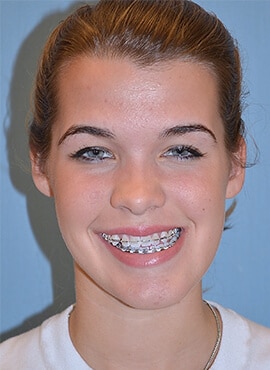
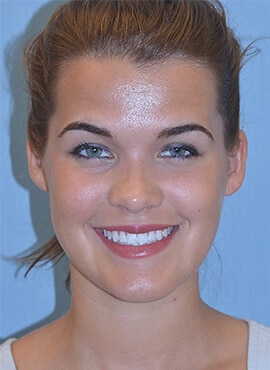
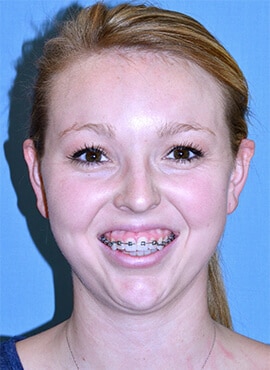
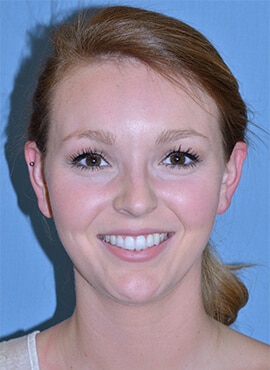
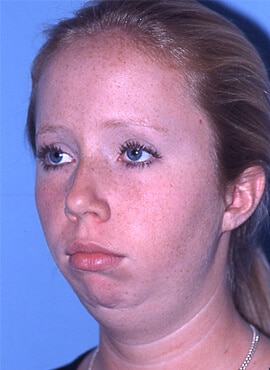
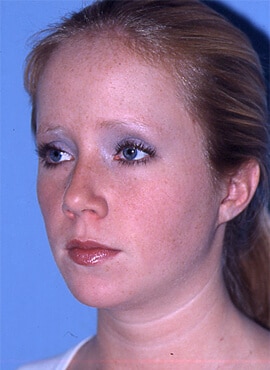
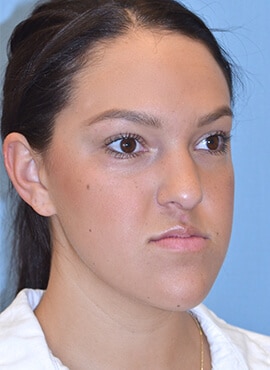
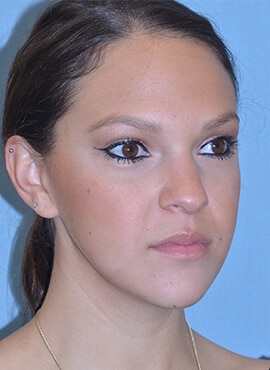
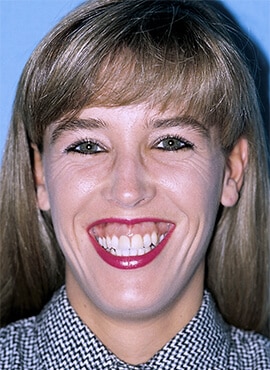
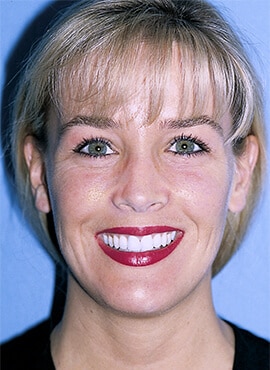
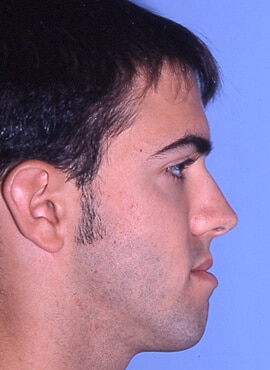
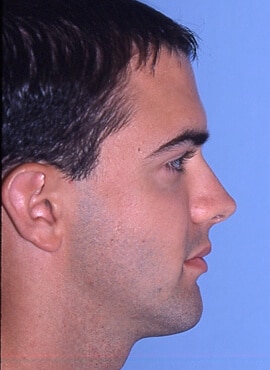
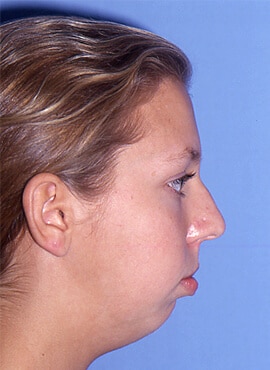
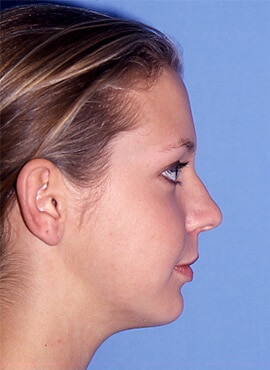
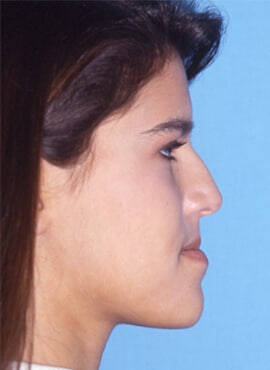
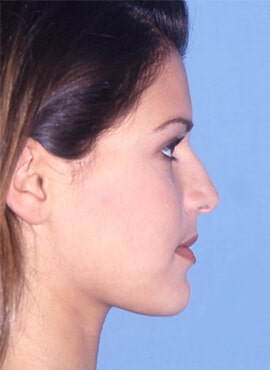


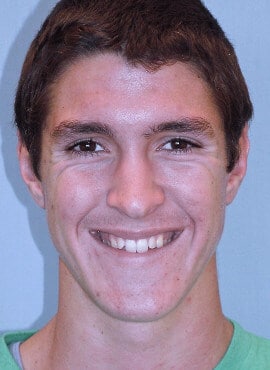
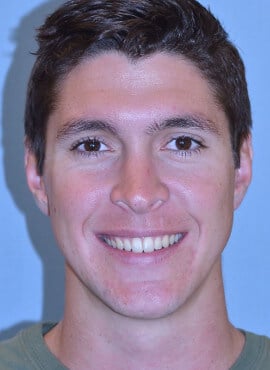
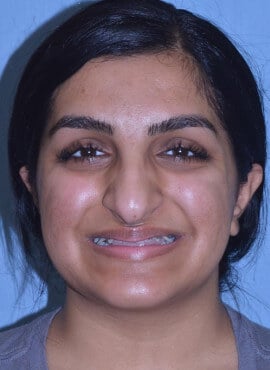
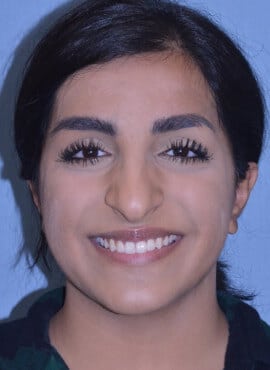
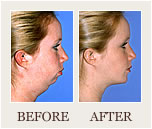
Orthognathic surgery, before and after photos are displayed with patient consent.
What is Orthognathic Surgery?
Improve Function and Appearance with Orthognathic Surgery in Jacksonville, FL, by Dr. Richard W. Joseph. If you are considering orthognathic surgery (corrective jaw surgery) to address facial skeletal abnormalities, misaligned jaws, or dental irregularities, Dr. Richard W. Joseph offers specialized expertise. Understanding that the term “orthognathic” means “straight jaws” (from Greek “ortho” and “gnathic”), Dr. Joseph focuses on procedures that enhance both function and aesthetics. His skilled application of oral and maxillofacial surgery improves not only a patient’s smile and appearance but also their ability to chew, speak, and breathe more effectively.
Choosing Dr. Joseph for your jaw surgery can also lead to relief from associated problems like facial pain, headaches, snoring, and obstructive sleep apnea. While the enhancement of facial appearance is a significant benefit of orthognathic surgery, Dr. Joseph’s primary goal is to correct the underlying functional issues, leading to long-term improvements in his patients’ lives.
Dr. Joseph’s orthognathic jaw surgery involves the careful repositioning of the upper jaw (maxilla), lower jaw (mandible), and/or chin, depending on the individual’s specific needs. Some patients may benefit from “double jaw surgery,” involving both the upper and lower jaws. In certain circumstances, Dr. Joseph may also perform concurrent facial cosmetic procedures to achieve comprehensive facial balance for his patients.
Who Needs Orthognathic Surgery?
People who benefit from orthognathic surgery are those who are misaligned teeth and jaws creating an improper bite. Jaw growth is a gradual process, and the upper and lower jaws may occasionally grow at different rates. This can cause functional problems including difficulty with chewing, speaking, breathing, sleeping, and overall oral health. A severe misalignment may affect a person’s appearance and produce psychological or emotional problems.
A jaw or head injury and birth defects may also affect jaw alignment. Orthodontic braces correct bite problems caused by tooth misalignment, and Orthognathic surgery corrects jaw misalignment.
Conditions that may Need Orthognathic Surgery:
- Difficulty chewing or biting food
- Difficulty swallowing
- Chronic jaw or jaw joint (TMJ) pain and headache
- Excessive wear on the teeth
- Under bite
- Overbite
- Open bite (space between the upper and lower teeth when the mouth is closed)
- Unbalanced facial appearance from the front or side
- Facial injury or birth defects
- Receding chin
- Protruding jaw
- Inability to make one’s lips meet without straining
- Breathing Problems – Chronic mouth breathing and dry mouth
- Snoring
- Sleep apnea (breathing problems when sleeping, including snoring)
- Speech Problems
Orthognathic Surgery may Involve:
- Upper Jaw (Maxilla)
- Lower Jaw (Mandible)
- Cheekbones
- Nasal Bones
- Other Facial Bones
Evaluating Your Need for Orthognathic Surgery
Dr. Richard Joseph works closely with your dentist and orthodontist to determine whether orthognathic surgery is recommended, and which procedure is deemed appropriate. Prior to surgery, your medical health history is reviewed, and a thorough examination – including facial measurements, photographs, X-rays, bite recordings, and dental impressions is completed.
What are the Benefits of Orthognathic Surgery?
Orthognathic Surgery in Jacksonville, FL: Dr. Richard W. Joseph’s Artistic Approach.
Dr. Richard W. Joseph is a distinguished orthognathic surgeon in Jacksonville, Florida. He brings an artistic perspective to orthognathic surgery. This surgery repositions teeth and jaws for better balance, function, and health. While improving bite and jaw function is key, patients often see better appearance, breathing, and speech. As a portrait artist and sculptor, Dr. Joseph has a keen eye for facial harmony. Orthognathic surgery with him can boost self-esteem and confidence.
Bite Correction and Chewing Improvement.
Orthognathic surgery by Dr. Joseph, often greatly improves chewing. Patients can often eat foods they couldn’t before. His artistic understanding of facial structure guides his surgery.
Jaw Pain Reduction.
Many Jacksonville patients of Dr. Joseph report less jaw pain after orthognathic surgery. While total pain elimination isn’t guaranteed, surgery to correct jaw position often provides relief.
Improved Facial Appearance: An Artist’s Perspective.
Dr. Joseph’s background as a portrait artist and sculptor enhances his approach to upper jaw surgery. He has a strong appreciation for facial balance and harmony. This helps correct bite issues and improve appearance.
Breathing Improvement.
Dr. Joseph’s expertise in orthognathic surgery aims for facial balance and often improves breathing. Corrective jaw surgery can also help with sleep apnea.
Speech Improvement.
Proper jaw alignment through orthognathic surgery with Dr. Joseph can aid normal speech. He may advise combining surgery with speech therapy.
Shorter Treatment Time: A Coordinated Plan.
Dr. Joseph expertly coordinates orthodontics with orthognathic surgery. This often leads to shorter overall treatment due to the impact of surgical jaw repositioning. His artistic visualization helps in planning.
What is Involved in Orthognathic Surgery?
Consultation
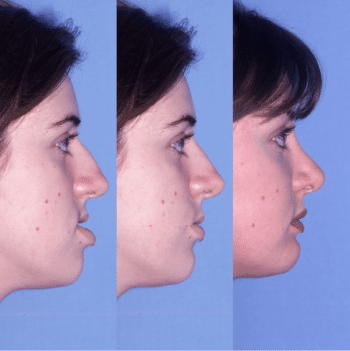
At your consultation visit, Dr. Richard Joseph and his staff will review your health history. We will review your functional and esthetic concerns. The doctor will examine and make measurements of your head and face. We will review the surgical options and inform you of alternative forms of treatment. You will be shown before and after photos of patients with similar diagnoses.
Surgical Workup and Treatment Planning
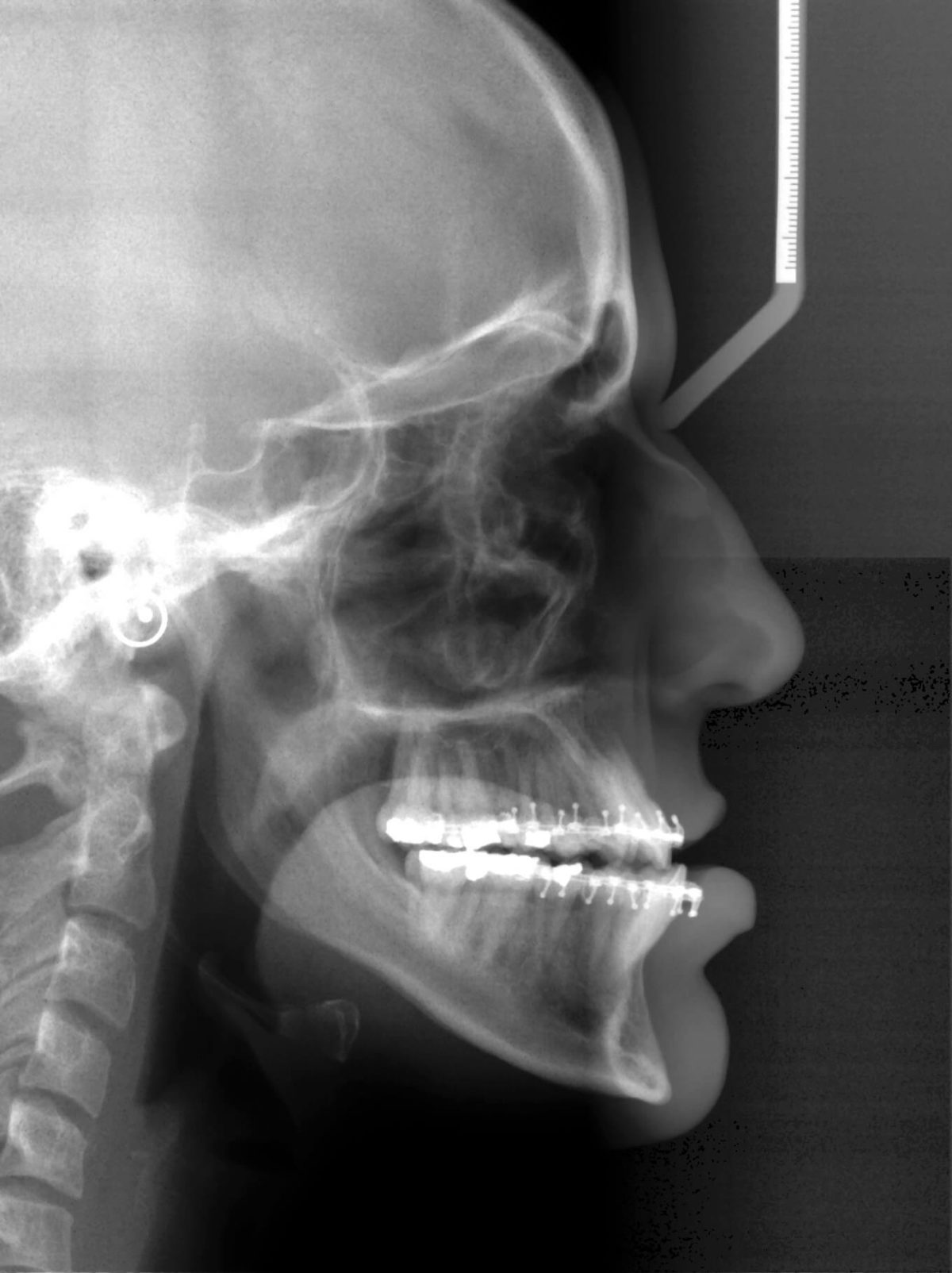
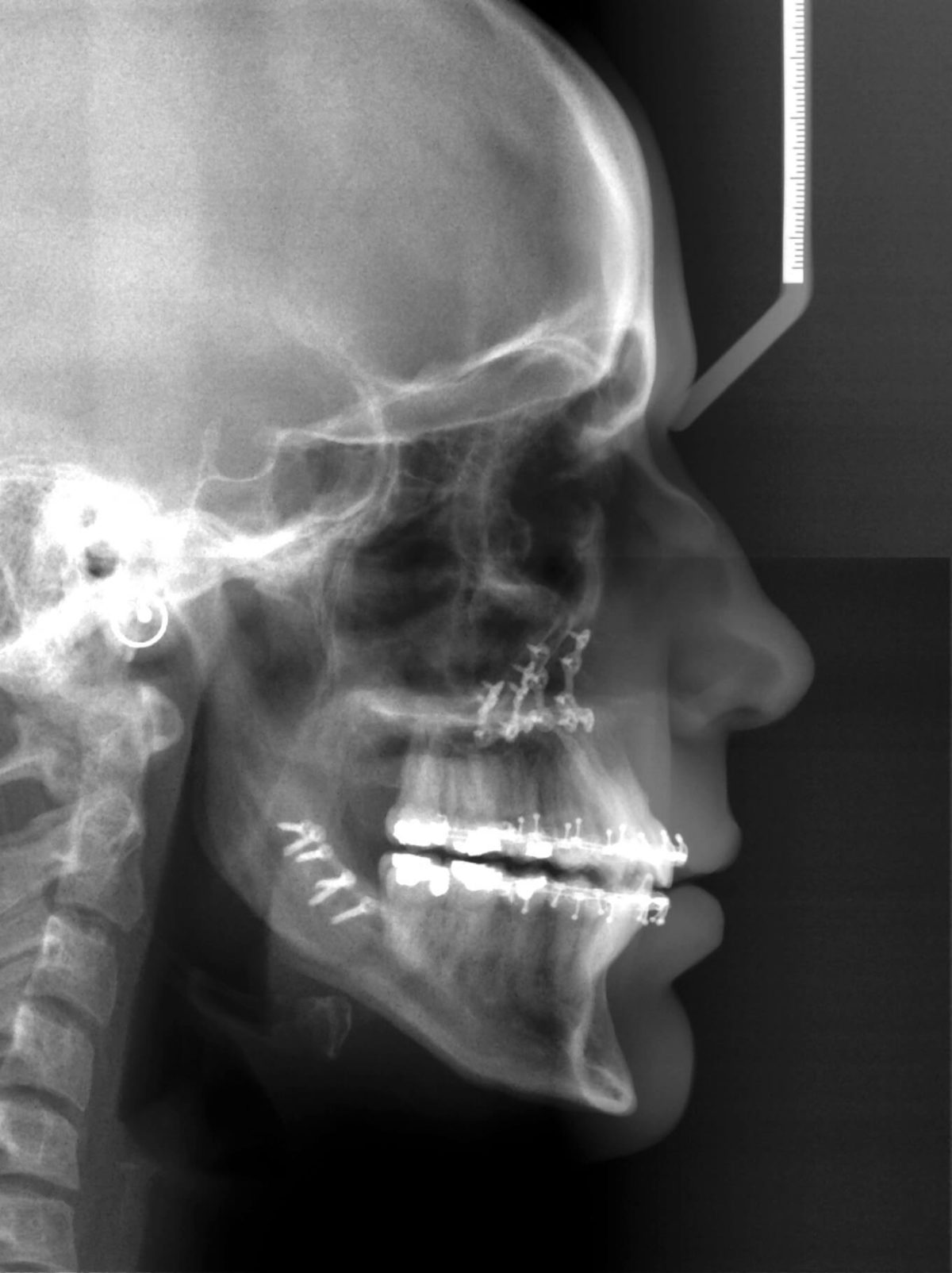
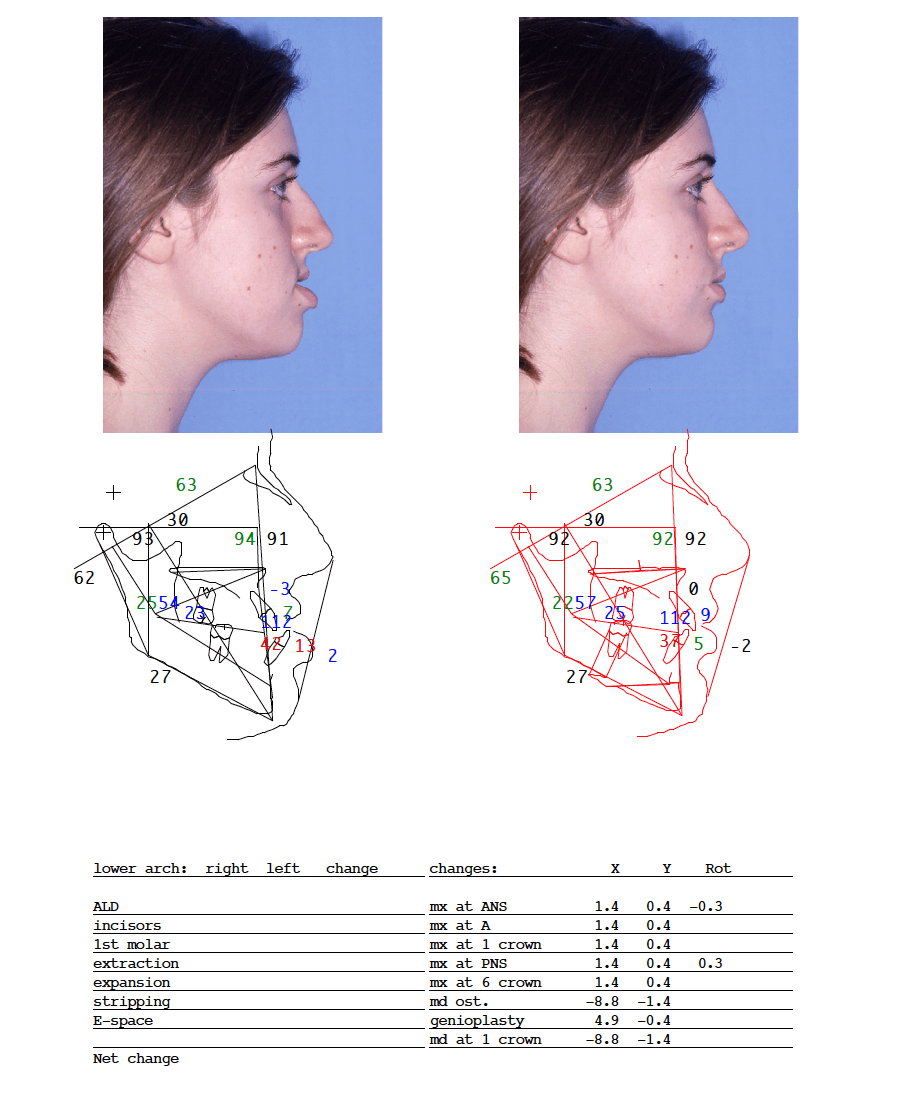
Records, which include X-rays, facial photographs, and models of your teeth are made and a computer-aided Cephalometric analysis will be performed by the doctor to provide a blueprint for your surgical and orthodontic treatment.
We use patient-specific data to virtually show an orthognathic (jaw) procedure simulation customized for each patient. You will able to preview a simulation of corrective jaw surgery before the actual procedure.
Dr. Joseph will take this data directly into the operating room and use it for more efficiency and accuracy.
Pre-Surgical Orthodontics
Before surgery, your orthodontist aligns your teeth using braces, which usually lasts from 6 to 12 months and requires regular orthodontist appointments. Braces move your teeth into a position that will fit together after surgery, so, your bite may seem worse during this period. When your jaws are re-positioned during surgery, your teeth should fit together properly. Wisdom teeth – It may be necessary to have one or more teeth, including your third molars (wisdom teeth) removed during this early phase of treatment.
Pre-Surgical Records
After the initial orthodontic alignment, Dr. Joseph makes final surgical preparations. New Records, i.e. X-rays, photos of your face and models of your teeth are updated and serve as a guide for your surgery.
Preparing for Orthognathic Surgery
Most orthognathic procedures are typically performed under general anesthesia in a hospital or an ambulatory surgical center. Prior to surgery, your medical history is reviewed, and a physical examination is completed. Also, special dietary instructions and prescriptions are provided, and lab tests are performed. Occasionally a pre-surgical consultation with an anesthesiologist is required.
The Surgical Procedure
The duration of orthognathic surgery varies with the type of surgery and the severity of the abnormality. Dr. Joseph will give you an idea of approximate time required for your particular surgery.
Upper Jaw Surgery
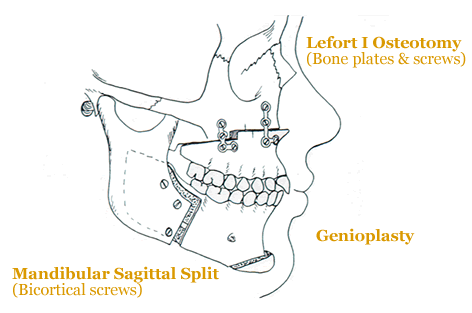
In the upper jaw, the jaw is separated from its base and then repositioned up, down, forward or backward. Dr. Joseph will then move your facial bones according to your specific needs. Occasionally, bone is added or taken away or reshaped. Tiny surgical plates and screws are used to hold your jaws in their new positions.
Lower Jaw Surgery
Lower jaw surgery usually requires separation of the rear (joint portion) of the jaw from the front portion that supports your teeth. This allows us to move your lower jaw forward or backward. (See drawing) The boney segments are repositioned and fastened with tiny surgical plates and screws. In extreme cases the jaws may require wiring of the teeth for 5-7 weeks.
Distraction Osteogenesis and SARPE
Distraction Osteogenesis is the progressive gradual stretching of the bone. By stretching, there is increased bone and soft tissue created due to a gradual displacement or stretching of surgically created bony fractures. Distraction techniques generate not only new bone, but also soft tissue such as skin, mucosa, muscle, nerve and blood vessels. There is no need for bone grafting in these cases.
SARPE (Surgical Assisted Rapid Palatal Expansion) – Also called SARME (Surgical Assisted Rapid Maxillary Expansion)
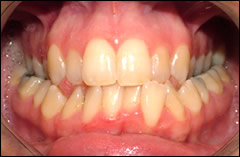
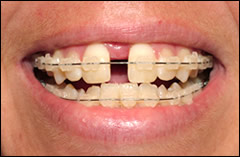
SARPE or SARME is used to treat transverse discrepancy or narrow upper jaw. In a narrow upper jaw, the tooth portion of the jaw is separated from its base and then widened using an expander appliance (hirax) placed by your orthodontist a few days before the operation. After the surgery, Dr. Joseph will instruct you on daily activation of the expander appliance. After several days your upper jaw will be wider and the bones will mend in the new expanded position. Your orthodontist will then move the front teeth to close the space, while leaving the back teeth and upper jaw wider. This outpatient procedure is performed before orthodontics and several months before the major jaw surgery procedures.
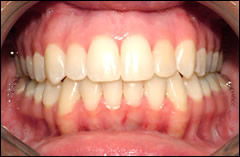
The Photographs below show the narrow upper jaw and the stages of progress with the SARPE (SARME) treatment.
- Narrow Maxilla
- Final Occlusion
- Hirax Appliance
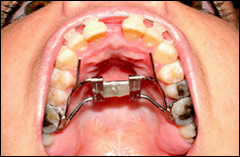
- Expanded Arch / Diastema
View SARPE/SARME Case Studies: Patient 116
Sliding Genioplasty
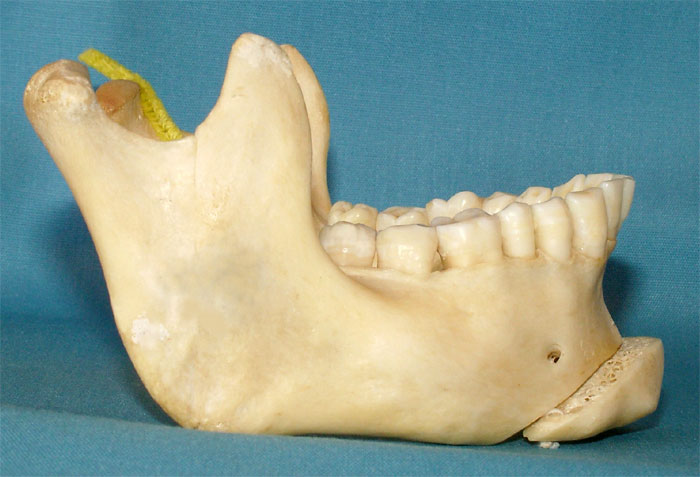
We often move the chin portion the lower jaw forward, backward, upward or downward to complement the profile. This may also improve muscle tone and help with lip closure. The procedure is called a Sliding Genioplasty. An incision is made inside the mouth below the lower lip. The bony chin portion of the jaw is then cut and advanced or moved back. This segment is then secured with a tiny bone screw or wire.
This is a model of a sliding genioplasty. The Sliding Genioplasty advances the patient’s actual chin by moving the lower portion of the jaw.
Immediately Following Surgery
After surgery, patients are typically taken to a recovery room until the effects of the anesthesia have worn off. (Family members are not permitted in the recovery room.) Patients may return home the day of surgery, or are required to stay overnight in the hospital, depends on their specific needs. In either case, it is important to drink adequate fluids to maintain proper nutrition before you return home. Patients are given instructions for a modified diet, as well as a schedule for advancing to a normal diet. Tobacco products, alcohol, and strenuous physical activities must be avoided. Proper healing depends on strictly following all instructions.
Discomfort following orthognathic surgery is usually mild and easily controlled with non-prescription medication. Prescriptions for antibiotics, pain medication, and ice packs that aid in the healing process are supplied.
Swelling is expected and it typically peaks between 48 and 72 hours, then, gradually subsides. Most swelling resolves between 7 and 10 days, but some swelling may be visible for several months. Bruising, nasal congestion and a sore throat may also occur after surgery and will steadily improve. After surgery, Dr. Joseph works with your orthodontist to “fine-tune” your bite. After your braces are removed, it may be necessary to wear a retainer to help maintain your bite. Your treatment, including orthodontics before and after orthognathic surgery, may take 1-2 years to complete.
Follow-Up Care
After your orthognathic surgery and orthodontics are completed, Dr. Joseph and your orthodontist will determine when and how often re-evaluations of your bite are needed. Also, regular check-ups with your general dentist are critical to maintain optimum dental health.
Risks of Orthognathic Jaw Surgery
- Blood loss during jaw surgery is typically modest, and bleeding that requires a transfusion is extremely rare. Immediately following surgery, particularly of the upper jaw, minor bleeding from the nose may occur. Although excessive or prolonged bleeding after surgery is uncommon, if it occurs it may prompt further care by your surgeon.
- The nerves that supply feeling to the jaws are exposed during orthognathic surgery, and even though some temporary numbness or tingling following surgery is typical, it diminishes as healing progresses. In very rare cases, the altered sensation may be permanent.
- During surgery, the position of the jaws and the bite are set when the patient is lying down. At this time the jaw muscles are completely relaxed under general anesthesia. When the patient is awake and upright, jaw muscle tone is regained and the bite is subtly different. After surgery, Dr. Joseph carefully follows each patient’s progress to ensure the new bite matches the original plan. Orthodontic rubber bands are often used during this time to guide the development of the bite. In rare cases, if the bite is not exactly as projected, additional surgery may be necessary.
- Infections, while a potential risk following any surgical procedure, is very rare and is usually treated with antibiotics.
- Inadvertent injuries to teeth, roots, fillings, bridgework or surrounding tissues may occur during any surgical procedure in the mouth.
Frequently Asked Questions About Jaw Surgery
-
-
- Is there surgery for TMJ? – Yes, however Jaw surgery usually refers to the jaw structure, not to the TM Joint.
- How long does it take to have jaw surgery? – The actual operation may take from 1-6 hours, but the entire surgical and orthodontic process may take up to 2+ years.
- Does insurance cover jaw surgery? – Jaw surgery is usually performed for functional reasons and should therefore be covered as a benefit under your medical insurance.
- How much does it cost for jaw surgery? – Jaw surgery is usually performed for functional reasons and should therefore be covered as a benefit under your medical insurance plan. Actual fees may vary from one part of the country, to another.
-
Orthognathic Surgery Before & After Photographs
View Patient #101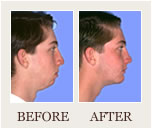
View Patient #102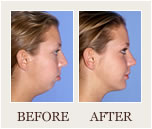
View Patient #103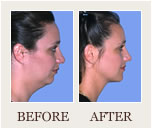
View Patient #104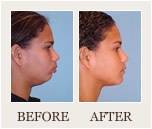
View Patient #105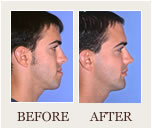
View Patient #111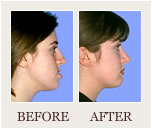
View Patient #112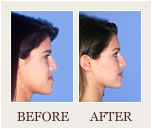
View Patient #113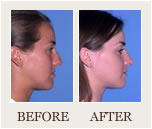
View Patient #114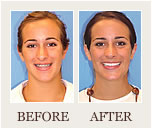
View Patient #115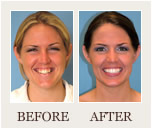
View Patient #116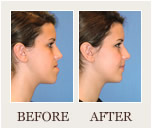
View Patient #117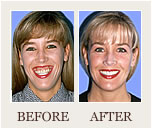
View Patient #121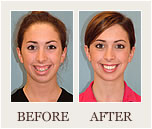
View Patient #122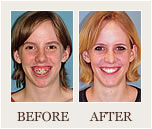
View Patient #123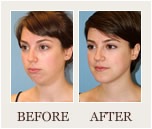
View Patient #124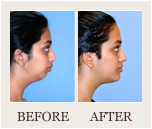
View Patient #107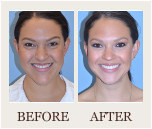
View Patient #118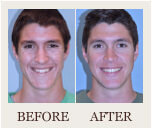
View Patient #119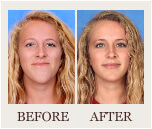
View Patient #120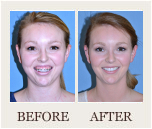
View Patient #132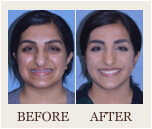
View Patient #133